Who are you, and what do you do?
I am a PhD candidate at UQ's QAAFI. My research investigates the molecular mechanisms behind acute appendicitis — specifically, how diet, genetics, and the microbiome interact. Alongside my research, I work as a casual academic, tutoring and demonstrating practicals for undergraduate and postgraduate Food Science students.
What recent research or project are you most proud of?
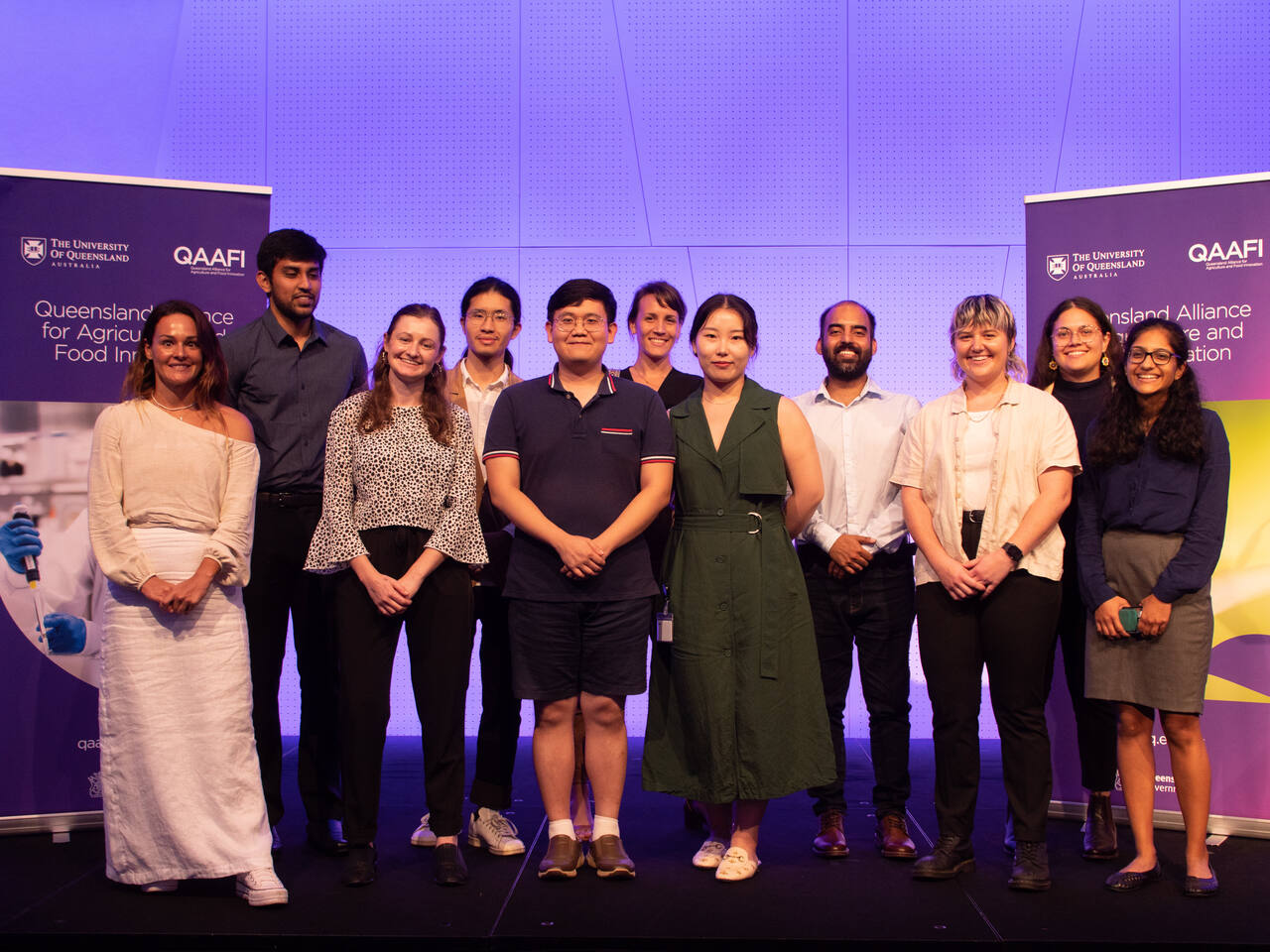
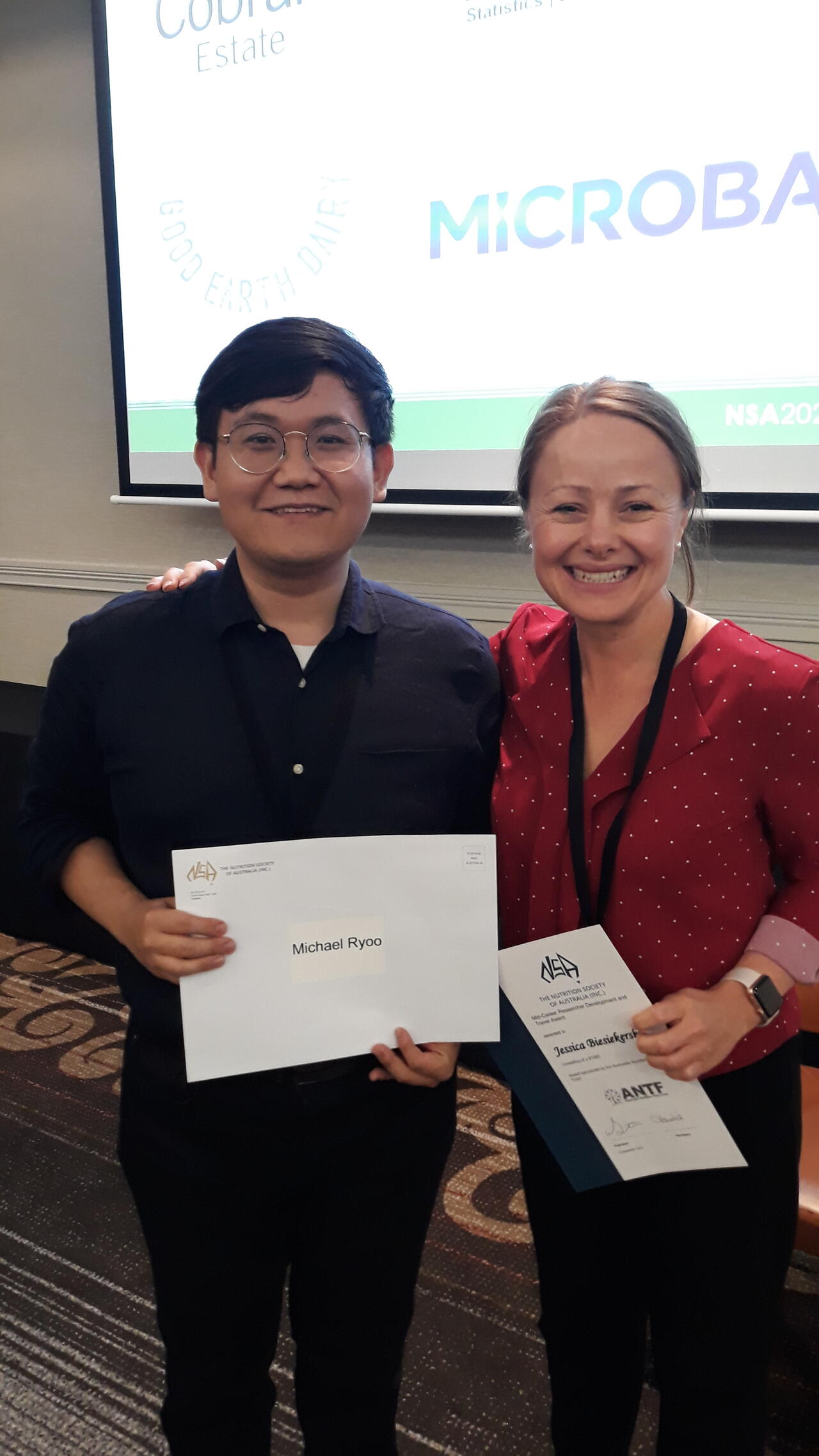
I am most proud of my PhD project investigating the dietary patterns and molecular mechanisms of acute appendicitis. We have successfully translated this research into both public and peer-reviewed formats. I recently won second place in the University of Queensland's Three Minute Thesis competition, as well as second place for an oral presentation at the Nutrition Society of Australia conference. Additionally, my advisory team and I recently had our literature review accepted for publication in a prestigious nutrition and dietetics journal. Balancing high-impact scientific communication with peer-reviewed validation has been the definitive highlight of my doctoral journey.
What tools (hardware & software) do you use every day?
My daily research stack combines scientific analysis with productivity software. I use SPSS and RStudio for processing experimental data, then translate those outcomes into publication-quality visuals using GraphPad Prism and BioRender. To keep the pipeline moving efficiently, I lean on ChatGPT, Google Gemini, and Meta AI to quickly organize research notes and manage my daily schedule. I also use Riverside to record discussions for the podcasts I run with a team several times a week.
What does a typical day in your research life look like?
A typical day balances project management, active fieldwork, and academic mentorship. On the regulatory side, I write research proposals and manage human ethics and governance applications to keep our trials compliant. My fieldwork involves primary data and tissue collection — either conducting dietary interviews or gathering biological samples directly during appendicectomy surgeries — followed by lab analysis comparing cases against healthy controls. I also maintain regular progress loops with my advisory team while working as a casual academic, tutoring, demonstrating, and marking for undergraduate and postgraduate Food Science students.
In my spare time I collaborate with two fellow overseas Koreans as a podcaster for the Eastern Bound platform, which discusses Korean history, politics, and society to offer a Korean diaspora perspective for international Anglophone audiences.
What advice would you give to a new researcher?
I would offer three clear pieces of advice: seek early support, build strategic networks, and protect your energy. Lean heavily on your supervisors from day one to avoid wasting time fixing issues down the track. Next, actively connect with junior and senior colleagues — future opportunities and partnerships depend heavily on the strength of your relationships. Lastly, prioritize your mental well-being: research is a marathon, and you must balance hard work with rest to prevent burnout.