Sang Hyun Kang
Who are you, and what do you do?
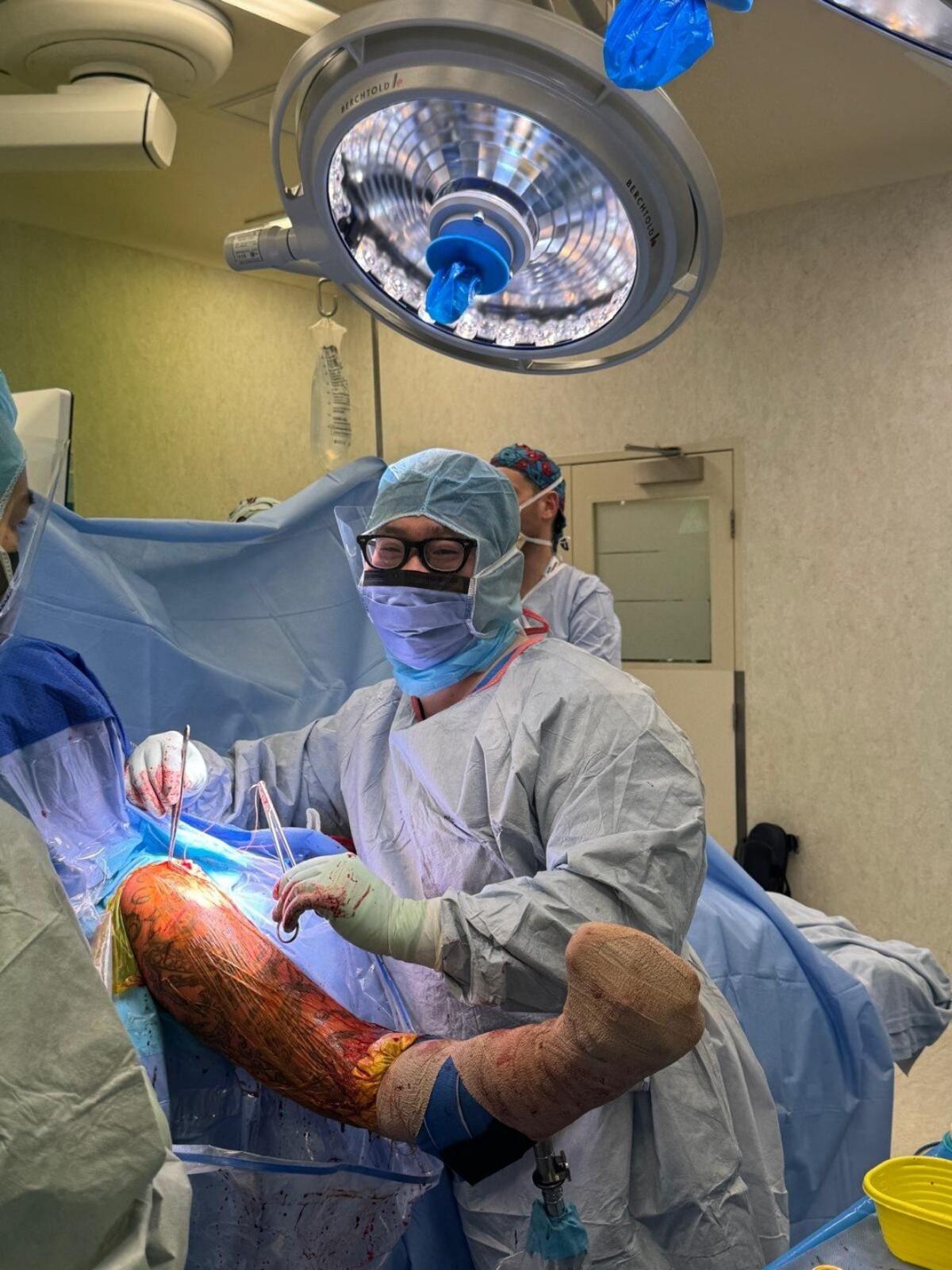
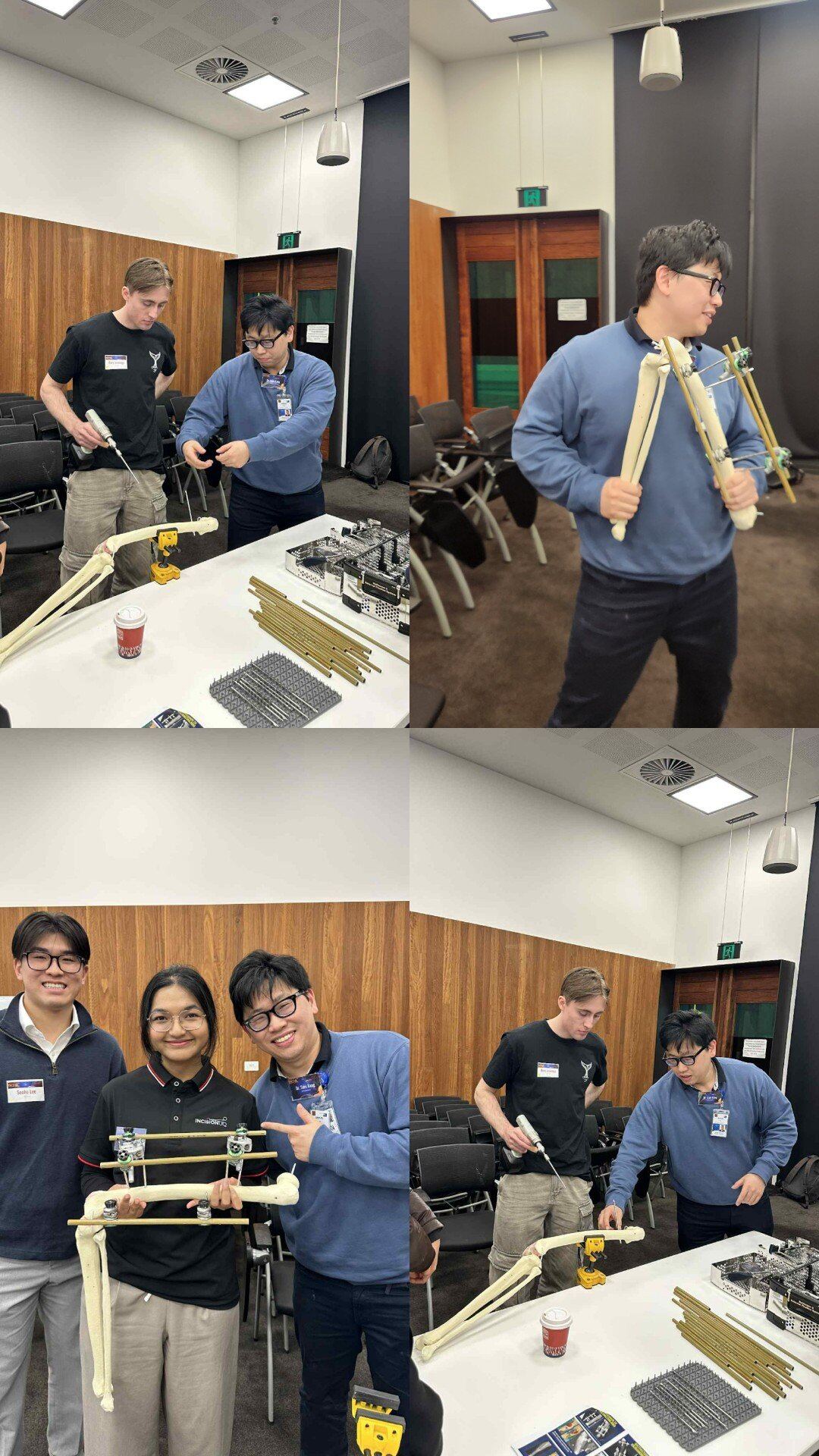
My name is Dr Sang Hyun Kang. I am currently working as an Orthopaedic Principal House Officer at Redland Hospital in Queensland. My main clinical interest is orthopaedics, particularly trauma and public hospital orthopaedic care. Alongside my clinical work, I am involved in orthopaedic research, teaching, and ongoing postgraduate study in trauma and sports medicine.
What recent research or project are you most proud of?
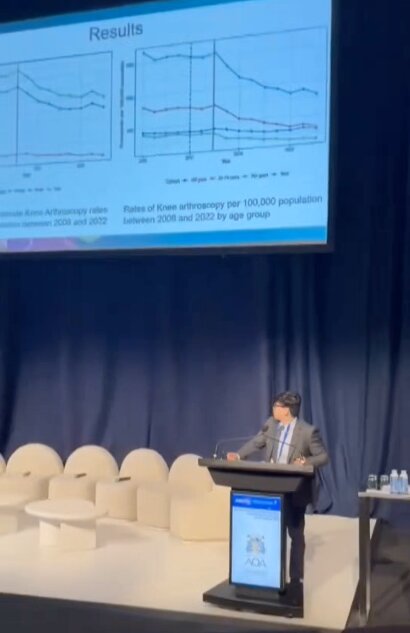
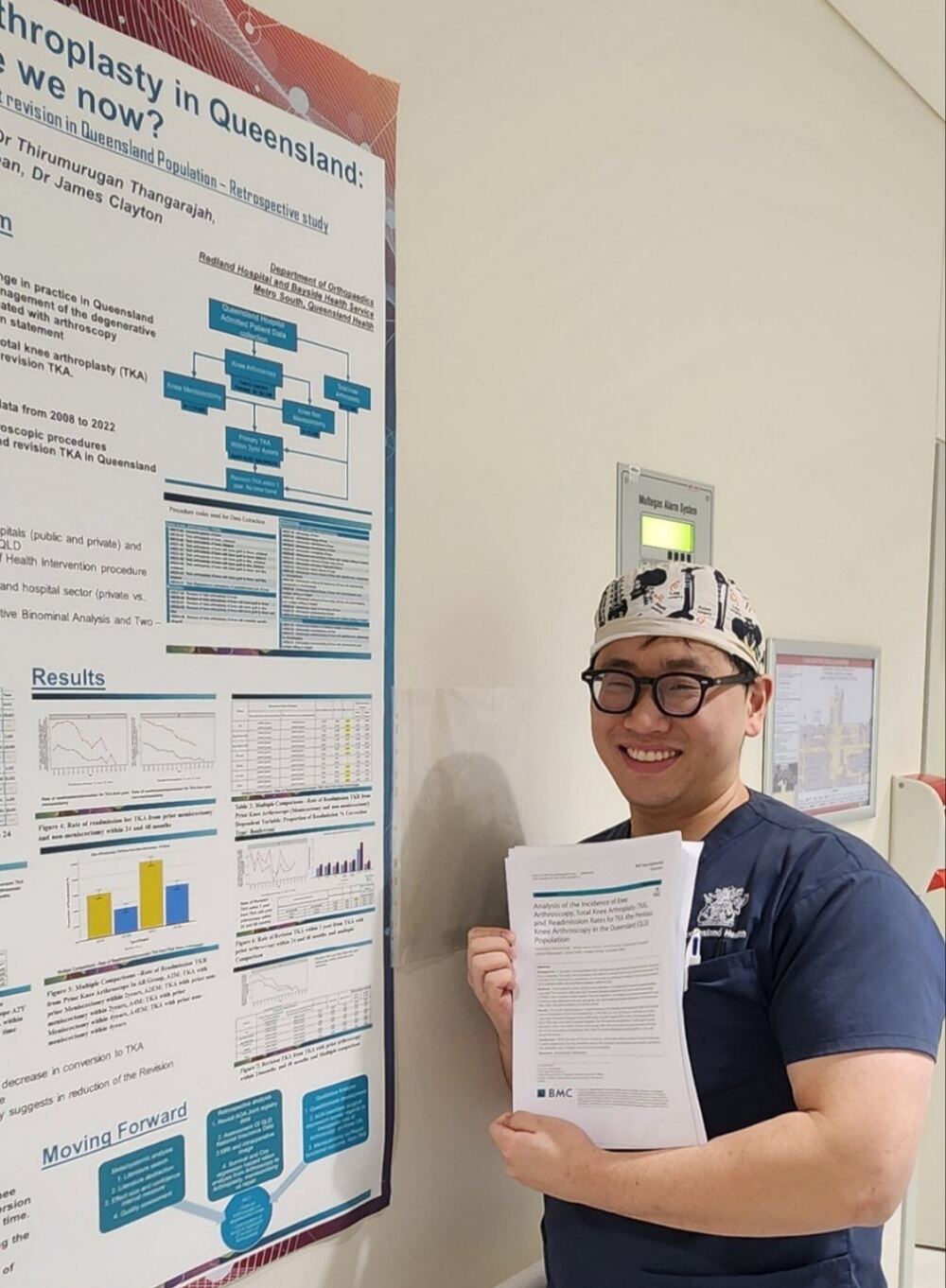
The project I am most proud of is my orthopaedic outcomes research, including my publication on knee arthroscopy and total knee arthroplasty outcomes in Queensland, which was also presented through the AOA pathway. I am also proud of my recent ACL reconstruction systematic review and meta-analysis comparing quadriceps tendon grafts with hamstring and BPTB grafts. These projects were meaningful because they connected clinical questions I see in orthopaedics with real data, statistical analysis, and patient outcomes.
What tools (hardware & software) do you use every day?
For literature searching, I commonly use PubMed, Google Scholar, CKN, and journal databases. For data analysis, I have used Stata, R, Excel, GraphPad Prism, and SPSS. I also use reference managers, spreadsheets, and manuscript-writing tools regularly. Most of my work is done on a laptop, and I often move between reading papers, cleaning data, running analysis, preparing figures, and writing manuscripts.
What does a typical day in your research life look like?
A typical research day usually happens around clinical work. I often read early in the morning or late at night. During the day, I may discuss ideas with colleagues, supervisors, or statisticians, and try to refine the research question. When I have protected time, I focus on data cleaning, statistical analysis, coding, figures, and manuscript writing. Weekends are often when I do longer writing sessions, because there is more time to think deeply.
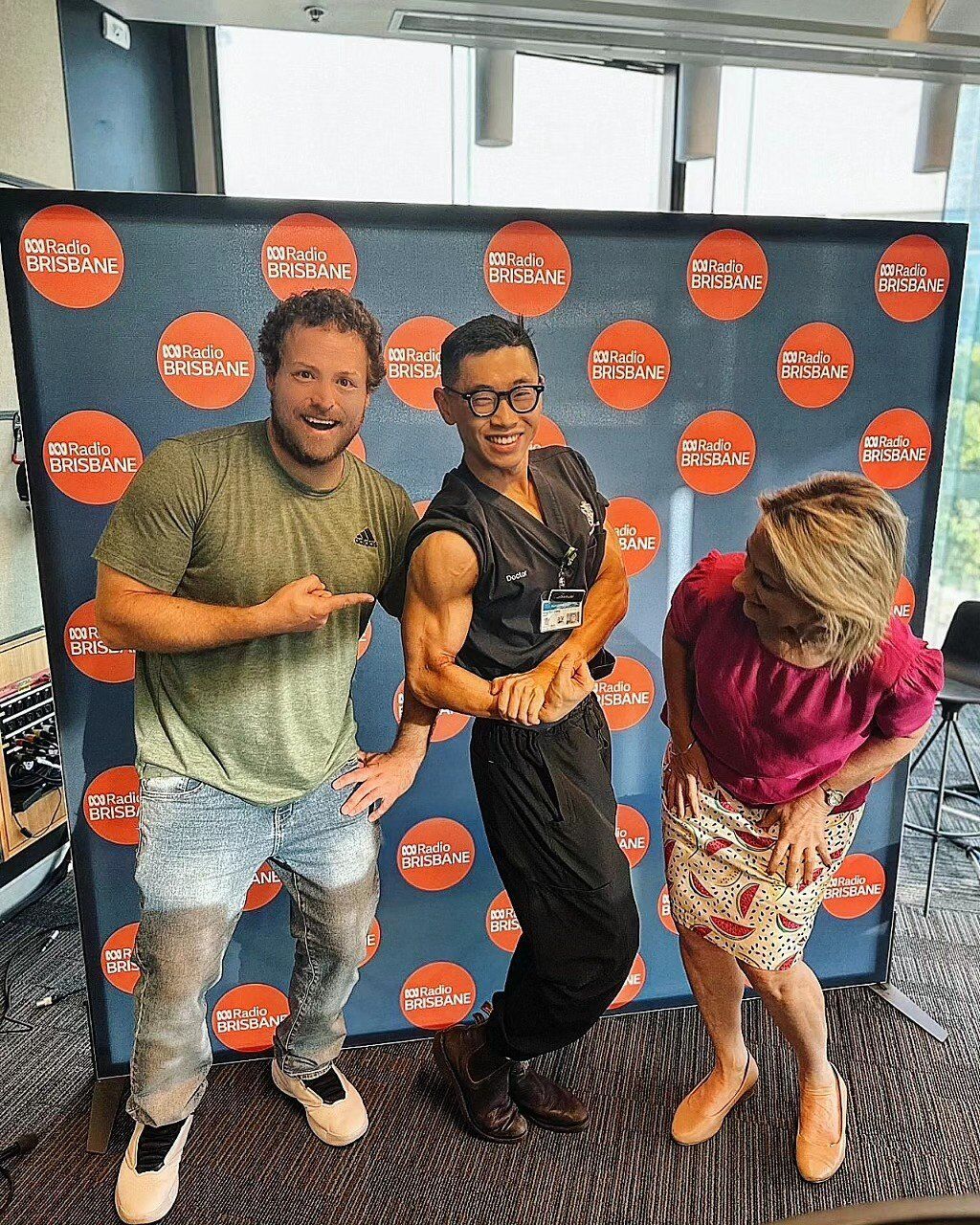
Outside the hospital, I train every day — staying physically active keeps me disciplined and clear-headed for both clinical and research work.
What advice would you give to a new researcher?
My advice is to start small but stay consistent. Experience matters, even when it seems random or unrelated — sometimes ordinary clinical experience gives you the best research ideas. Read a lot, because ideas often come after repeated exposure to the literature. Learn basic statistics and maths, because they are fundamental to good analysis. Also, enjoy quiet time alone, because that is often when deeper ideas come. Small steps over a long time are better than one big jump with nowhere to land. Be humble, but also be bold enough to start.